In the ever-evolving dating world, a new and controversial phenomenon is poised to reshape the way we think about love and relationships. Predicted by a new report from the dating app Happn, “AI situationships” could become the defining dating trend of 2026. As our lives grow increasingly digitised, the idea of a romantic relationship with an AI companion is no longer far-fetched—it’s a growing reality.
So, what exactly are AI situationships, and why are so many daters either intrigued or alarmed by them? Let’s dive deep into this emerging concept and understand how it could transform our love lives, for better or worse.
What Exactly Is an AI Situationship?
A situationship typically refers to a romantic or sexual relationship that lacks clear boundaries or commitment. It’s something in between a friendship and a relationship, often accompanied by emotional confusion. Now, in 2026, we are witnessing a digital twist: AI situationships.
These are emotional, and sometimes even romantic, connections formed between humans and chatbots or virtual beings powered by artificial intelligence. These AI companions act as emotionally available partners, offering feedback, affection, support, and even deep conversation.
Unlike previous generations of dating technology, these AI beings are more than matchmakers—they’re substitutes. Whether you’re single, in a partnered relationship, or navigating the complex waters of post-breakup recovery, the option of engaging with an AI that mimics empathy, humour, and intimacy is suddenly on the table.
The Rise of a Controversial New Dating Trend
This trend isn’t just speculation—it’s backed by data. A new report from the dating app Happn reveals that 41% of surveyed individuals would be comfortable with their partner having a close relationship with an AI, while 43% said they would feel uneasy. Alarmingly, 16 per cent would consider it emotional cheating.
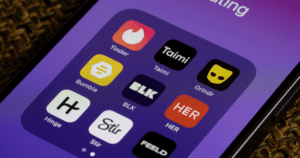
This rise of a controversial new interaction is deeply connected to our collective exhaustion with traditional dating apps. Many people—especially millennials and Gen Z—are experiencing fatigue from endless swiping, ghosting, and unfulfilling matches.
In response, users are turning to AI for advice, validation, and even love. Whether it’s for self-soothing or practising communication, these connections are growing in popularity. The dating app Happn predicts this behaviour will continue to surge throughout 2026 dating trends.
Why AI Situationships Are More Than Just a Trend
While the concept might sound like something out of a sci-fi film, AI situationships are such a new reality that many couples are still learning to navigate them. According to Happn’s dating expert Claire Rénier, “AI situationships are such a new phenomenon that many couples are still learning to navigate the presence of AI within their relationship.”
This statement gets to the heart of the issue: boundaries. When one partner is emotionally invested in an AI, what does that mean for the human connection between two people?
The concern is that relationships with AI companions could offer a frictionless, comforting experience that deters people from facing the hard, messy realities of human relationships. While some people use AI as a mirror for self-discovery or as a form of emotional training, others may start to prefer the digital over the organic.
Experts Warn About the Emotional Impact of AI Companionship
Could Reliance on AI Disrupt Human Connection?
Many experts warn that growing emotional dependence on AI could weaken the social fabric of relationships. A study published in ScienceDirect suggests that people who increasingly rely on virtual relationships with chatbots may experience emotional disruption, data privacy concerns, and even detachment from real-life interactions.
What makes AI relationships so appealing is that they can simulate empathy, offer attentive responses, and adjust to your preferences—all without conflict. But therein lies the danger: If users begin to confuse programmed interactions with genuine connection, it could erode their capacity to engage in intimacy with real people.
The presence of AI within a relationship might seem harmless at first—after all, it’s “just a chatbot.” But over time, this presence of AI can subtly alter dynamics between partners, leading to jealousy, detachment, or worse—emotional cheating.
Why Daters Are Turning to AI (And Away from Dating Apps)
As dating apps continue to evolve, so too do their shortcomings. Many users cite fatigue from meaningless swipes, ghosting, and superficial interactions. The pressure to constantly perform or be “on” is exhausting. In response, people are retreating into the calm, curated space offered by AI companionship.
AI dating provides something novel: no risk of rejection, instant gratification, and the feeling of being understood. For many, especially the socially anxious, this is liberating. AI is also being used to explore love languages, process trauma, or simply practice conversation.
The app Happn predicts the rise of more emotionally intelligent AI systems integrated into dating tools. Some platforms are already trialling AI “coach” bots that help you craft messages or analyse matches. But how long before those bots become the match themselves?
The Blurred Line Between Human and Artificial Companionship
The more advanced AI becomes, the more difficult it is to tell the difference between a real partner and a synthetic one. This blurred line between human and artificial interaction is perhaps the most urgent psychological and ethical question of our time.
What does it mean to have a bond with an AI? Can a machine replicate the pain, joy, and spontaneity of a genuinehuman bond?
While AI offers predictability, safety, and availability, it lacks what Claire Rénier calls the “messy, imperfect beauty” of human emotion. As she notes, “Real love is always built on human imperfection. If people learn to love with AI, they will have to relearn how to love without it.”
In other words, while AI can teach people how to reflect on their emotional needs, it cannot fulfil them in the same way a real person can.
So, Should You Try an AI Situationship?
If you’re curious about this dating trend, it’s worth asking yourself a few critical questions:
- Are you using AI as a tool or a replacement?
- Are you seeking companionship or avoiding vulnerability?
- Can this relationship help or hinder your ability to build connections offline?
If your answers lean toward avoidance or dependence, you may want to reconsider. AI can be a helpful aid, but not a full substitute for the unpredictable, painful, and rewarding experiences that come with human relationships.
Final Thoughts – Why AI Situationships Could Reshape Dating in 2026
As we look ahead to dating in 2026, one thing is clear: the digital landscape of relationships is expanding faster than most of us can process. The quality of our human connection is under pressure from technologies designed to anticipate our every emotional need.
Whether you view ‘AI situationships’ as a fad or a permanent fixture of modern romance, they challenge us to reconsider the nature of intimacy, companionship, and emotional truth.
And as the report from the dating app Happn makes clear, this controversial new dating format isn’t going away anytime soon.
Quick Recap – What We’ve Learned
- AI situationships are emotional relationships with chatbots or digital companions.
- They’re growing rapidly and could define the 2026 dating landscape.
- Experts warn of emotional dependence, blurred boundaries, and the weakening of genuine connections.
- Claire Rénier, Happn’s dating expert, emphasises the importance of balancing digital support with real-life growth.
- This trend offers reflection—but not replacement.
Whether you’re experimenting or avoiding AI relationships entirely, remember: Love is always built on empathy, vulnerability, and authenticity. If we rely too much on machines, we may lose the ability to love what’s imperfect, surprising, and beautifully human.
Let technology guide you—but don’t let it replace you.