Dating Apps in 2026: How AI, Hinge, Bumble, and Grindr Are Changing Everything in Online Dating
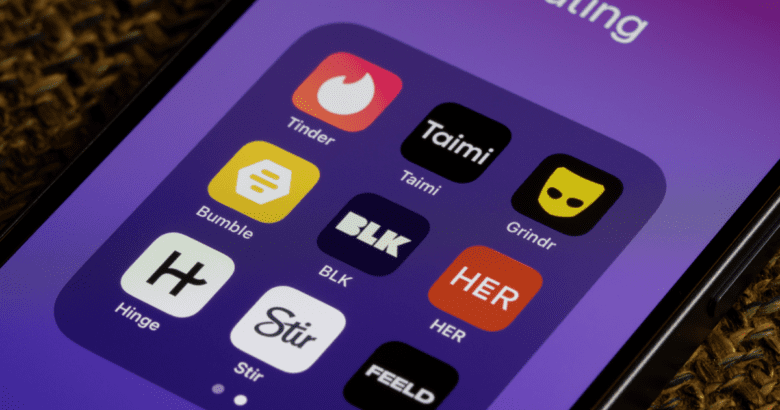
As we move deeper into 2026, the online dating ecosystem is evolving faster than ever. The world’s most popular dating apps — Tinder, Hinge, Bumble, and Grindr — are no longer just tools for connection; they’re now sprawling ecosystems integrating AI, behavioral data, and hyper-personalized experiences.
For daters across the U.S., these platforms are addressing new demands: deeper compatibility, better safety, less noise, and more intentionality. The rise of AI-powered matchmaking, increased pressure on subscription models, and the growth of niche dating platforms have begun changing everything about how people use technology to meet.
Let’s explore how the leading dating apps stack up, where they shine, and how they’re positioned for success — or struggle — in this high-stakes year.
Tinder vs. Hinge: Match Group’s Top Contenders Go Head-to-Head
Both Tinder and Hinge are owned by Match Group, but they operate with distinct philosophies and feature sets.
Tinder: Huge Reach, But User Fatigue Is Real
Still the biggest dating app by user base, Tinder continues to dominate the dating space, especially among younger daters. With its intuitive swipe functionality and simple interface, it’s often the first stop for those looking for casualencounters. However, critics argue that endless swiping leads to burnout, superficial connections, and a lack of emotional depth.
Tinder also rolled out its AI-powered Chemistry feature in late 2025, which suggests potential matches based on a user’s photo roll and in-app prompt responses. New features like Face Check, ID verification, and the Double Date tool are meant to rebuild user trust and fight off bad actors, but the app’s reputation remains that of a hookup platform.
Even with nearly 9 million paying users, the app saw fluctuation in growth and a decline in repeat logins between Q1 and Q4.
Hinge: The Serious Option That Keeps Growing
In contrast, Hinge has emerged as the go-to app for those seeking long-term relationships. Its tagline — “designed to be deleted” — reinforces its emphasis on compatibility over quantity. Backed by data-driven insights from Hinge Labs, the platform introduced cutting-edge AI features that curate better matches and improve communication flow.
AI-powered matchmaking tools help match daters based on core values, lifestyle preferences, and interaction patterns — not just photos. Hinge has seen a consistent growing user base, with a rise in subscription upgrades as users report higher satisfaction and retention.
Bumble in 2026: A Rebound Through Innovation and Empowerment
Bumble entered 2026 after a rocky 2025, which saw revenue dip and workforce reductions. Still, under the leadership of Whitney Wolfe Herd, the app is rebounding with bold product pivots. Emphasizing its female-first model, Bumble has reimagined what it means to make the first move in today’s dating climate.
The company introduced smarter AI moderation tools, improved safety features, and a revamped experience for non-romantic connections like Bumble BFF and Bumble Bizz. By tailoring the app for friendship, networking, and romance, Bumble appeals to people looking for broader relationship categories — not just hookups or casual dating.
Although Bumble’s user base shrank slightly, its remaining community showed strong engagement and willingness to pay. The average revenue per user rose 6.9%, suggesting users value a feature-rich experience that supports respectful, intentional connections.
Grindr’s Rise: A Niche Giant Enters the Mainstream
Grindr may have started as a niche dating platform for LGBTQ individuals, but in 2026, it’s proving that focus can drive mass appeal.
Under the leadership of CEO George Arison, the company achieved a 26% increase in revenue in 2025 and introduced new AI features to enhance user discovery, chat filtering, and match suggestions. Its “For You” page and “A-List” AI recommendation engine offer better experiences to daters who are tired of apps like Tinder that don’t offer personalized results.
Grindr’s move beyond dating — into telehealth, social networking, and offline meetups — is helping it transform from dating app to lifestyle brand. This has dramatically increased user loyalty, especially among Gen Z and millennial users who are more identity-focused and value-driven.
AI in Online Dating: Trend or Transformation?
Across every app, from OkCupid to Plenty of Fish (POF), AI is now a core part of the experience. Whether through matchmaking, profile assistance, moderation, or content generation, AI-powered features are here to stay.
AI-powered matchmaking is especially crucial in 2026, as daters demand more personalized and respectful experiences. Apps like Hinge and Grindr are already using algorithm-based tools to increase quality over volume — a clear departure from the days of endless swiping.
Still, AI cannot replace emotional intelligence or real-world chemistry. Dating experts caution that while AI can help users meet potential partners, it should not replace genuine effort, curiosity, and conversation.
Subscription Models and the Cost of Connection
One of the biggest user concerns entering 2026 is pricing. Subscription fatigue is real. Many apps — including Tinder and Bumble, Coffee Meets Bagel, and OkCupid — now lock vital functionality behind paywalls.
Whether it’s seeing who liked you, boosting visibility, or filtering for shared values, apps increasingly charge users for basic tools. This monetization model raises a key question: can you find love without paying?
Some daters are choosing to upgrade, but only if they feel the value is clear. That means features like enhanced filters, safety features, and id verification must justify the cost.
Best Dating Apps in 2026 Based on Your Goals
For Casual Dating and Hookups
Apps like Tinder, Grindr, and POF still serve users looking for a hookup or low-pressure connections. Their large user bases and simple swiping mechanics make them the most accessible platforms for fast interactions.
For Long-Term Relationships
Hinge, eharmony, and Coffee Meets Bagel are the best dating apps to meet serious partners. Their emphasis on long-form prompts, matchmaker-style algorithms, and user intent makes them ideal for commitment-seeking singles.
For Identity-Focused or Niche Dating
Apps like Grindr, HER, and OkCupid appeal to specific communities and offer inclusive features for LGBTQ, polyamorous, or faith-based users. In an era where curated experiences matter, niche dating continues to thrive.
Conclusion: What’s Next in Dating in 2026?
In 2026, the dating industry is no longer just about swiping — it’s about smarter, safer, more meaningful connections. Whether it’s AI-powered compatibility scoring, safety-first features, or thoughtful subscription models, the best apps are the ones that adapt to what daters truly want.
Match Group continues to lead in scale through platforms like Tinder, Hinge, and OkCupid. But Grindr’s evolution and the rise of niche platforms suggest that specificity may now trump scale.
Ultimately, the best dating app is the one that fits your lifestyle — whether you’re just browsing, ready to commit, or somewhere in between.